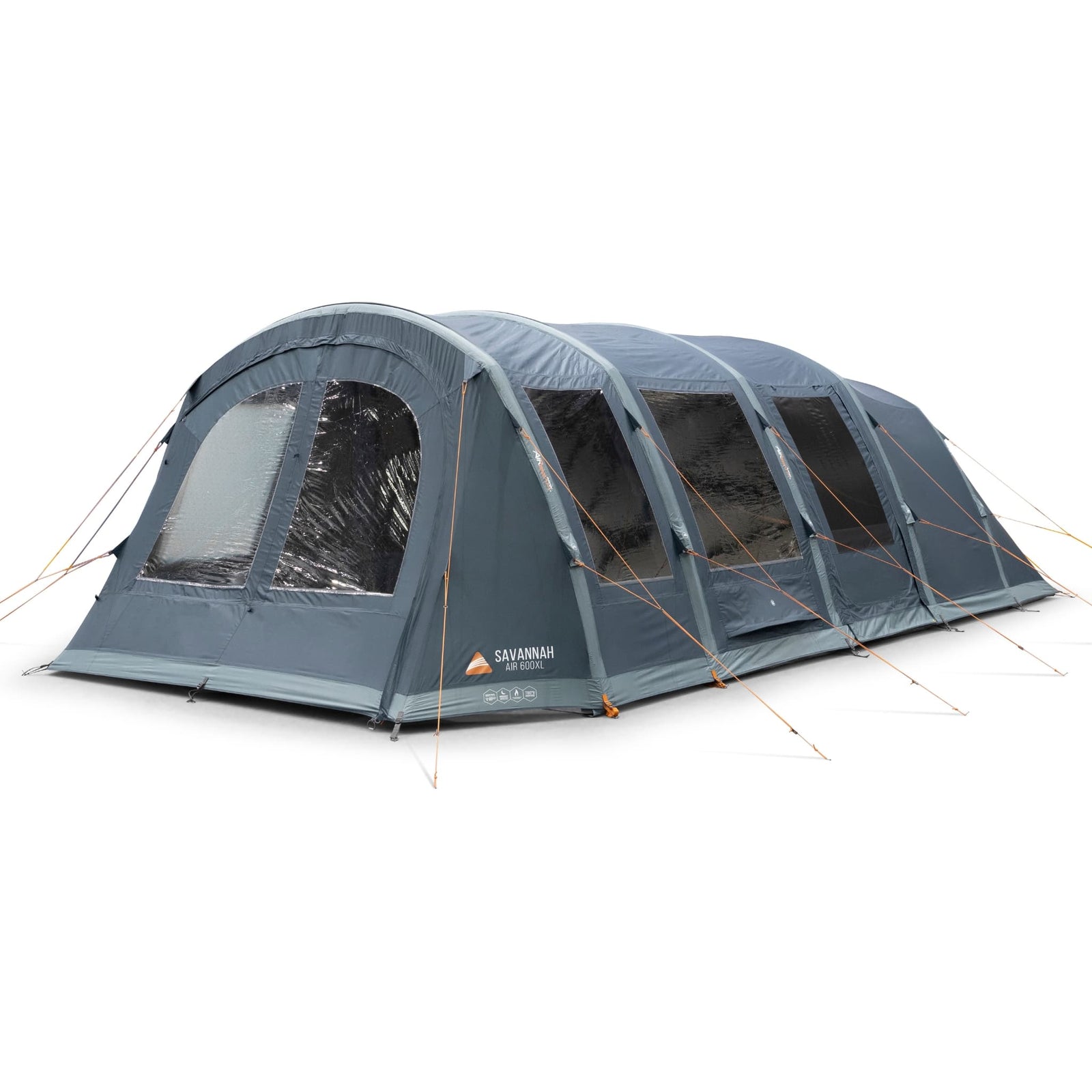
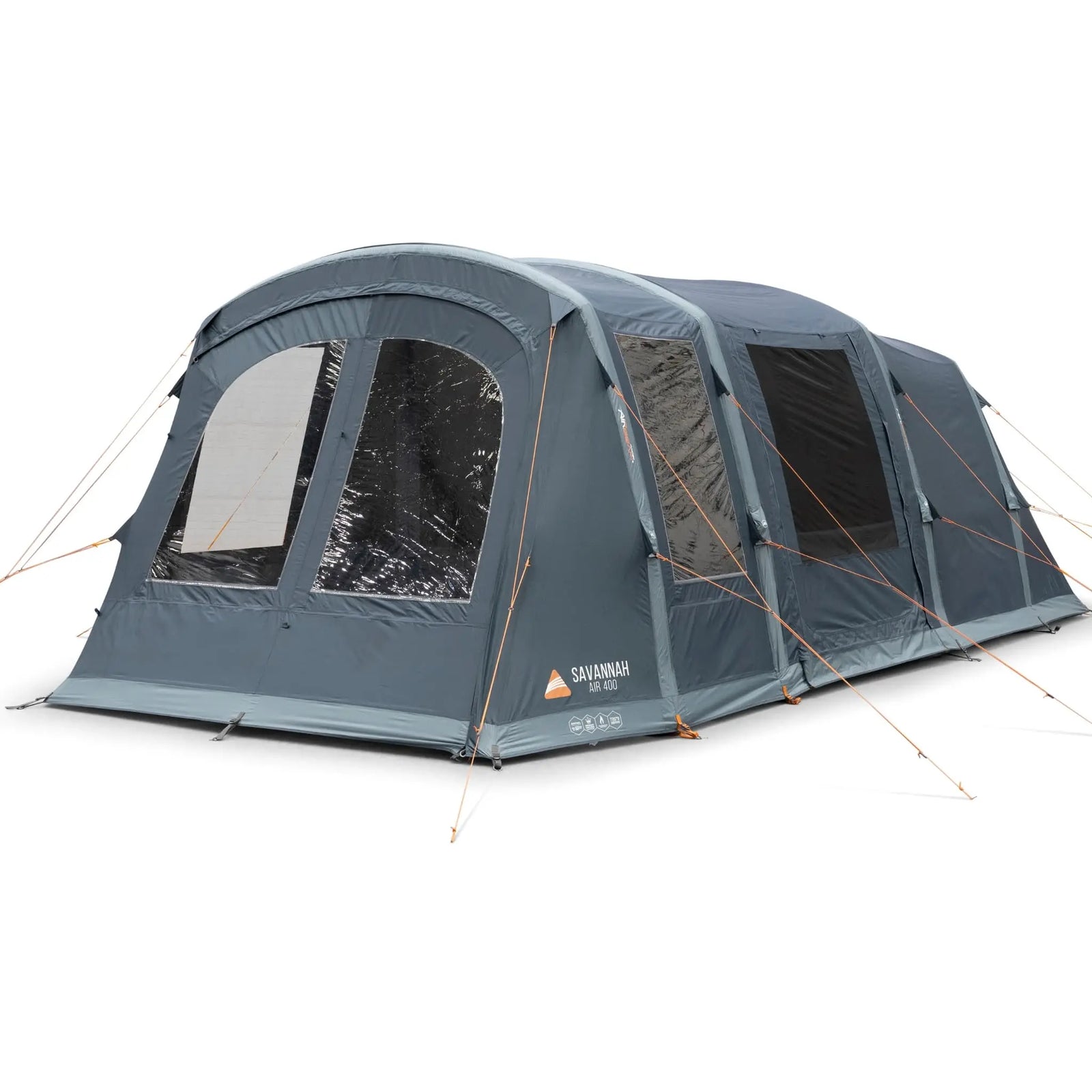
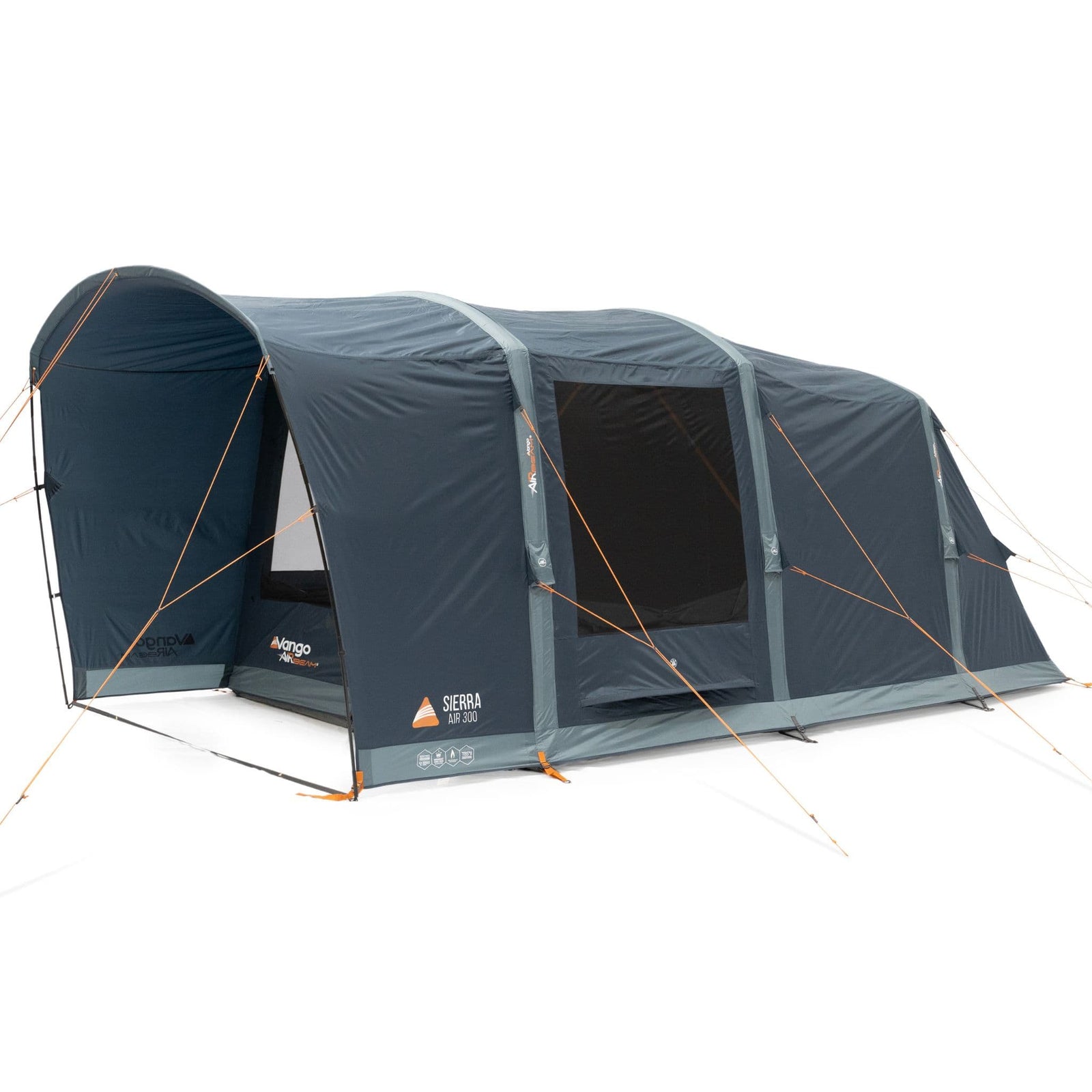
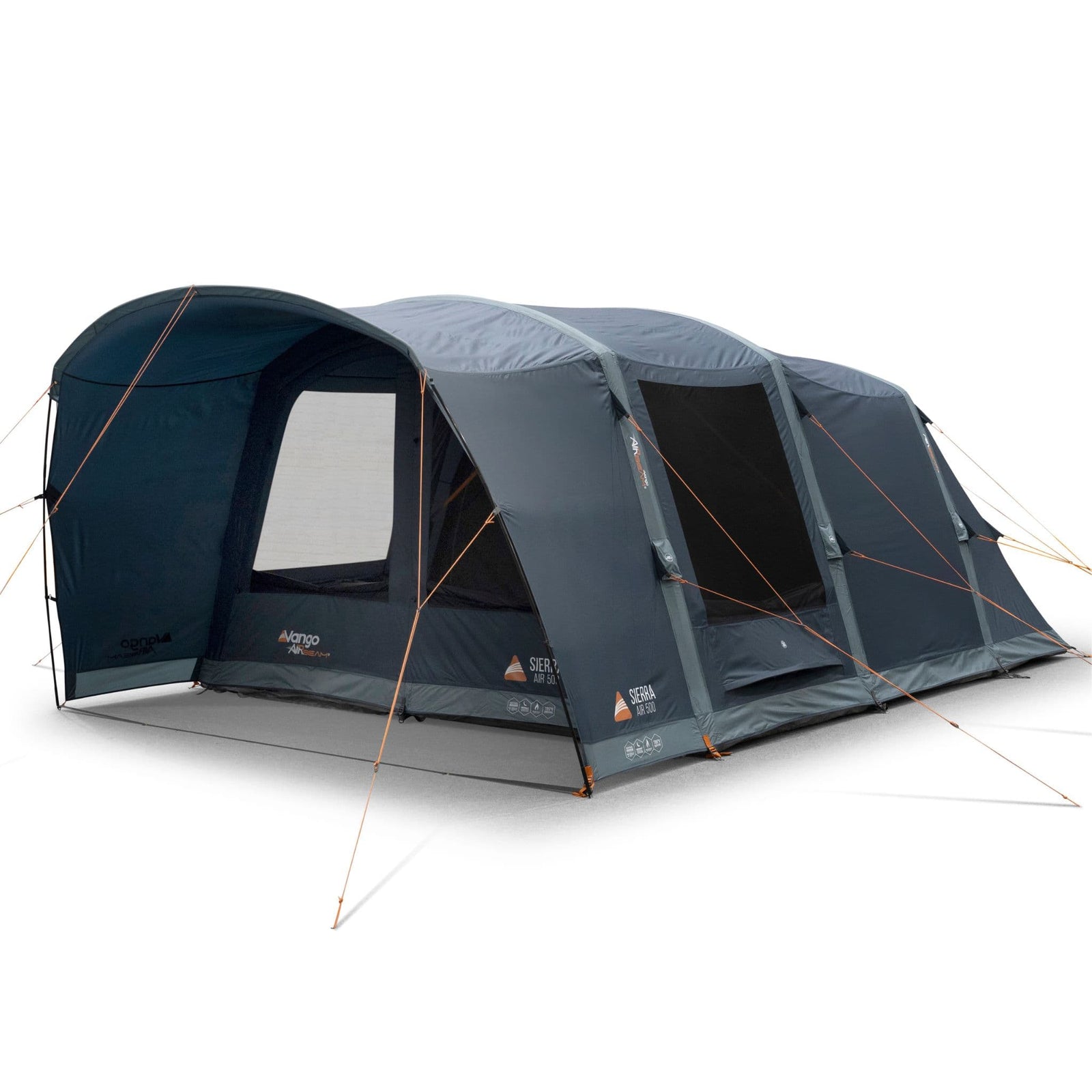
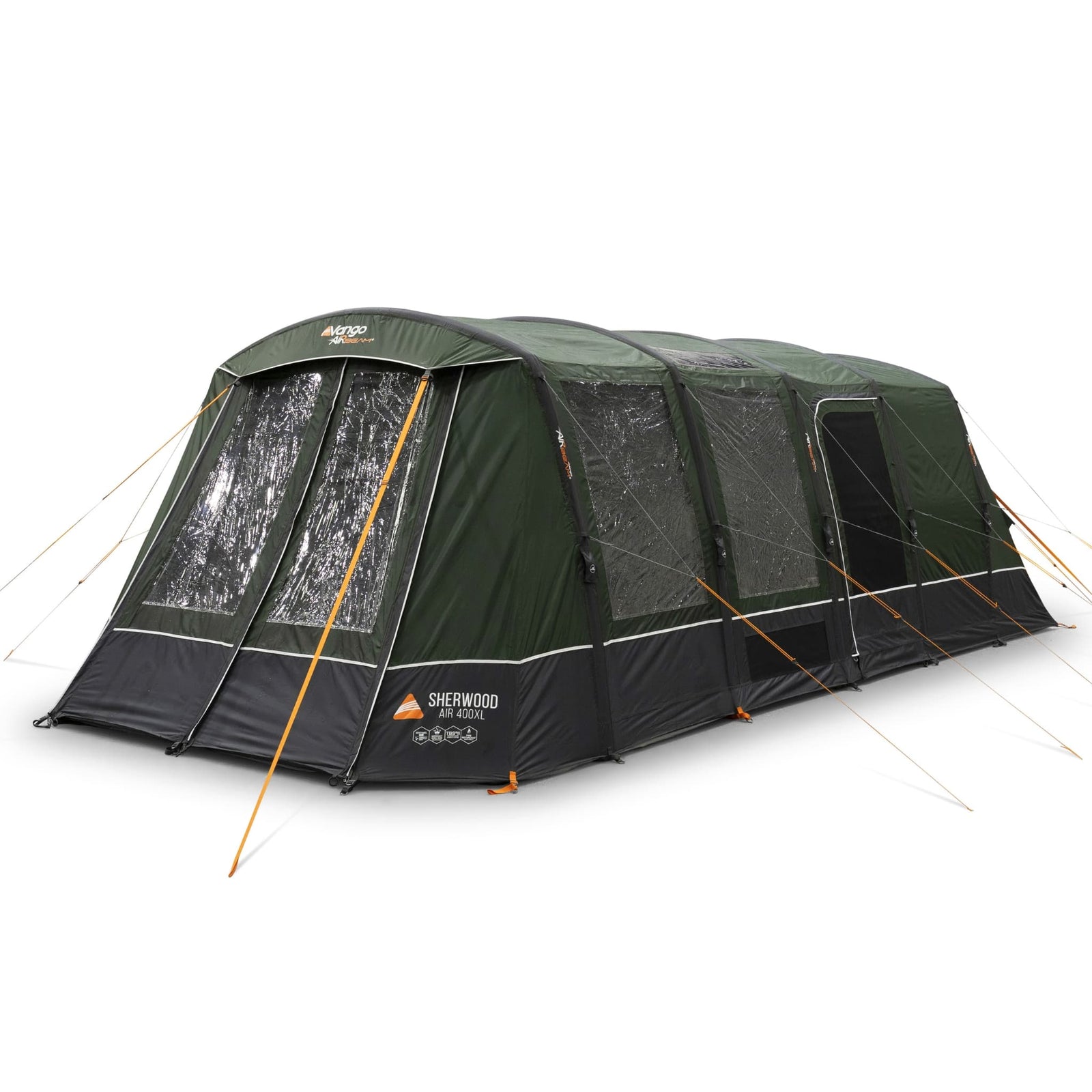
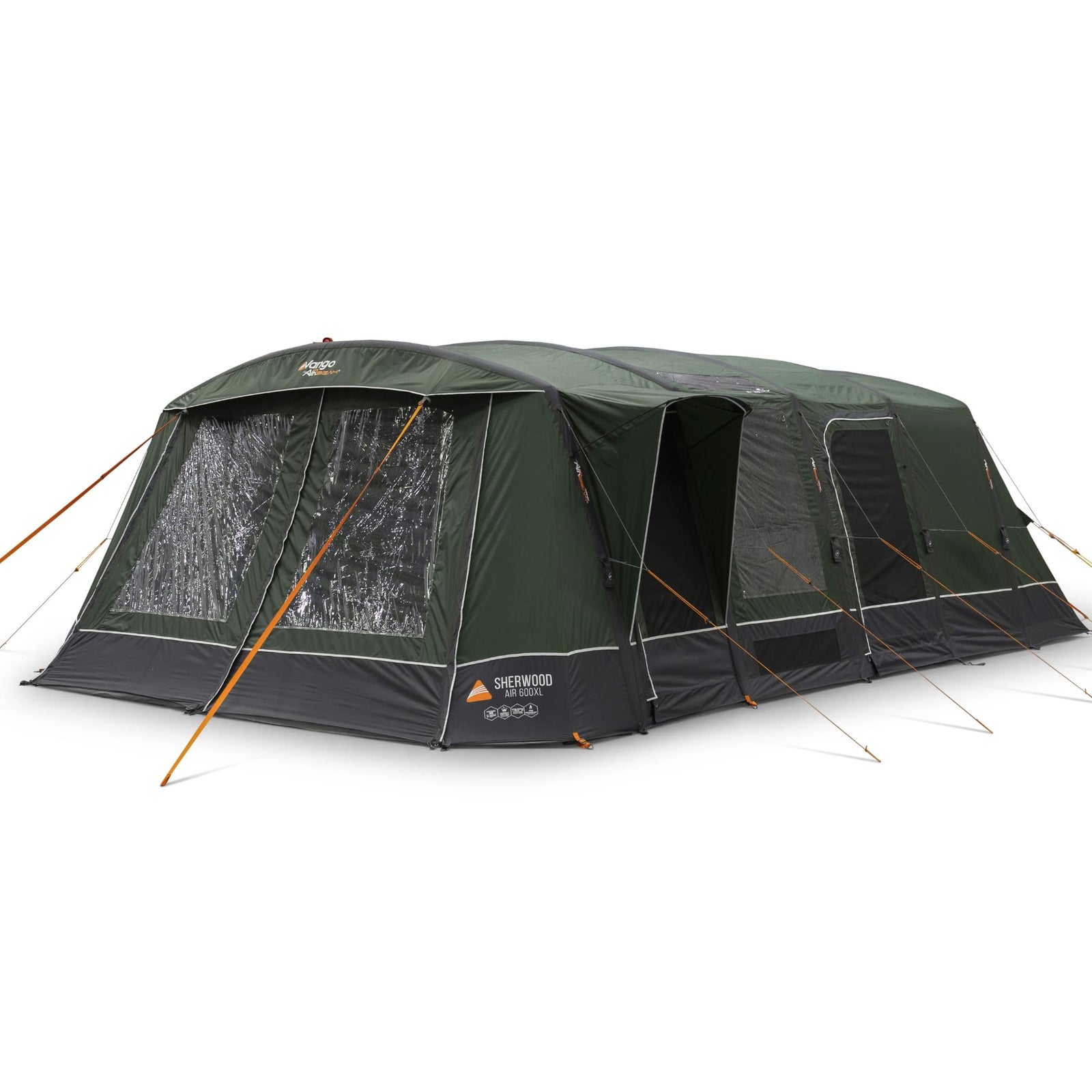
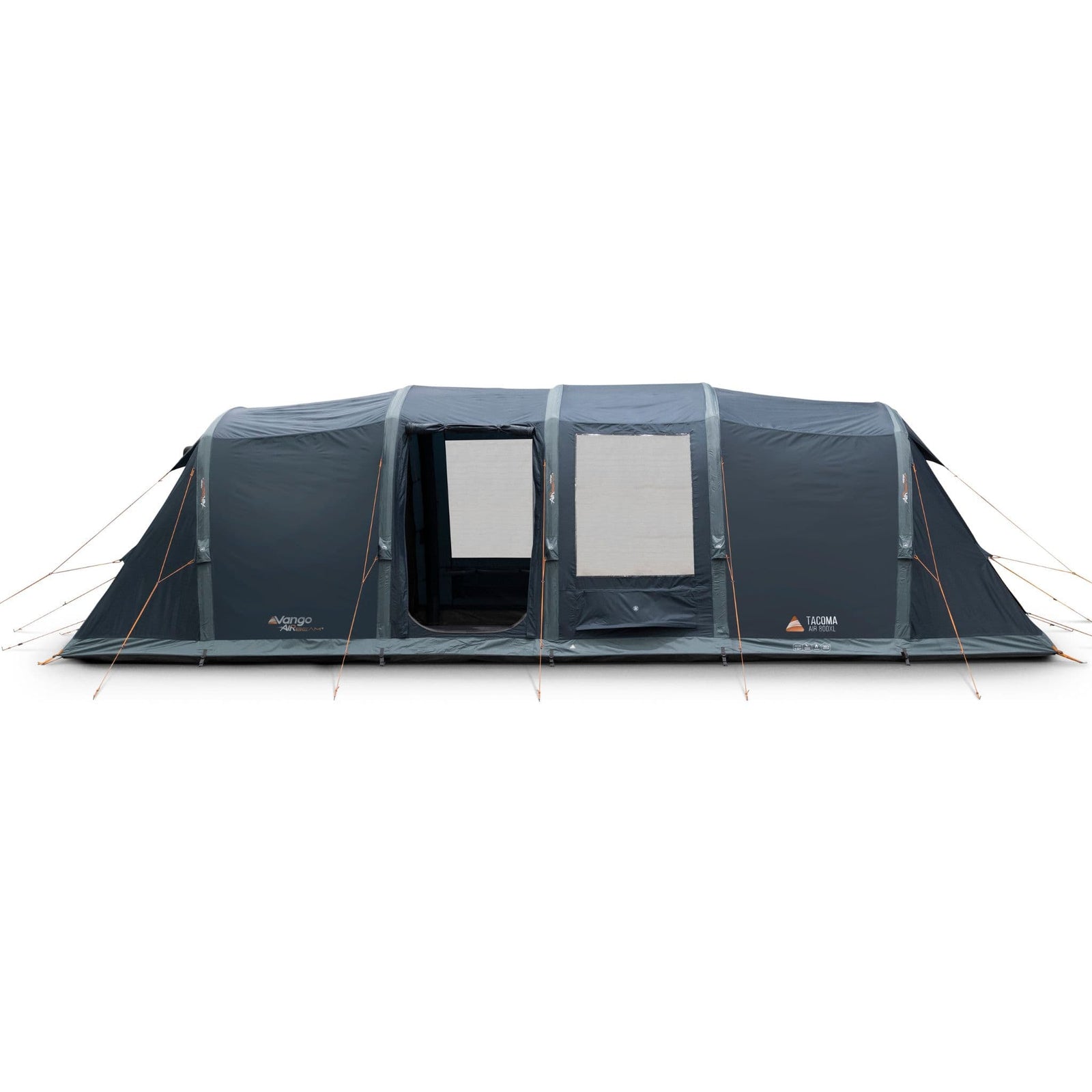
Vango AirBeam technology represents one of the most significant developments in modern camping equipment. If you have not come across it before, AirBeam tents replace traditional metal or fibreglass poles with inflatable beams that are pumped up to create the tent’s structure.
First introduced by Vango in 2011, AirBeam has become widely used among family campers thanks to its easy pitching and strong designs. Over the years the range has expanded considerably, with models now available for small two-person tents through to large eight-person family tents.
One of the main advantages of AirBeam tents is the speed of pitching. Even large family tents can often be set up in around ten minutes, which helps reduce the effort usually involved in putting up bigger tents.
Alongside their tents, Vango have also developed a range of AirBeam awnings suitable for campervans, motorhomes and caravans.
For more detailed guidance, take a look at our Vango AirBeam Knowledge Hub where you’ll find helpful information on choosing and using AirBeam tents.s.

Vango AirBeam Tents at WM Camping
Vango AirBeam tents mark a clear shift from traditional pole-based designs. Instead of rigid metal or fibreglass poles, they use inflatable beams to create the structure of the tent. These beams sit inside durable sleeves and are inflated using a supplied pump, forming a strong and stable frame without the need for separate poles.
This design makes pitching far quicker and easier. With the beams pre-attached, setup typically takes around 10–20 minutes and can often be done by one person.
AirBeam technology has been thoroughly developed and tested by Vango, offering a solid framework that performs well in poor weather. The beams are designed to flex rather than snap under pressure, and each one is separate, so a puncture won’t affect the entire tent. Repairs are simple, with access via zipped sleeves and included repair kits.
Alongside the AirBeam system, Vango tents include features such as their Tension Band System for added stability, controlled ventilation to manage airflow, and darker inner bedrooms to reduce early morning light. Sewn-in groundsheets and well-placed guylines further improve comfort and weather protection.
Overall, Vango AirBeam tents offer a simpler pitching process, reduced weight, and dependable performance compared to traditional pole tents.
Vango AirBeam Tents FAQs
Do Vango AirBeam Tents come with a pump?
Yes, all Vango AirBeam Tents come with a manual pump. If you wanted to make life even easier you could buy their Vango AirBeam Tempest Pump that plugs into your cars 12v socket.
What happens if you get a puncture?
First of all, it is very rare to get a puncture on a Vango AirBeam tent. In the unlikely event that you do get a puncture you can repair it using the repair kits that include patches and adhesive. For small punctures, repairs can usually be made quickly, allowing you to continue using the tent.
Vango AirBeam tents come with a two year manufacturers warranty so if you get a puncture in the first couple of years they will replace the beam.
View our blog on How to replace an AirBeam tube
Are AirBeam tents good in the wind?
Yes, AirBeam tents are designed to withstand windy conditions. The inflatable beams create a stable structure that can flex and absorb wind pressure, helping to keep the tent anchored. However, it’s still important to secure the tent properly with guylines and pegs, and to use common sense when it is really windy.
Can I deflate and pack the tent quickly?
Yes, simply open the AirSpeed valves, and the beams deflate in seconds for a fast pack-down.
What is the warranty on Vango AirBeam tents?
All Vango products have a 2 year warranty against manufacturing faults which can be extended to three years by registering the tent on their website.
Expert Advice
Pitching a Vango AirBeam Tent - Your Hassle-Free Guide!
Mastering the Art of Packing Away an AirBeam Tent